The Database continues to grow with 1 227 validated cases now available to the public. The Database currently covers 481 fungicide cases, 463 herbicide cases, 247 insecticide cases, and 49 acaricide cases. All publicly available entries are reviewed and validated by the EPPO Expert Working Group (EWG) on Resistance to Plant Protection Products.
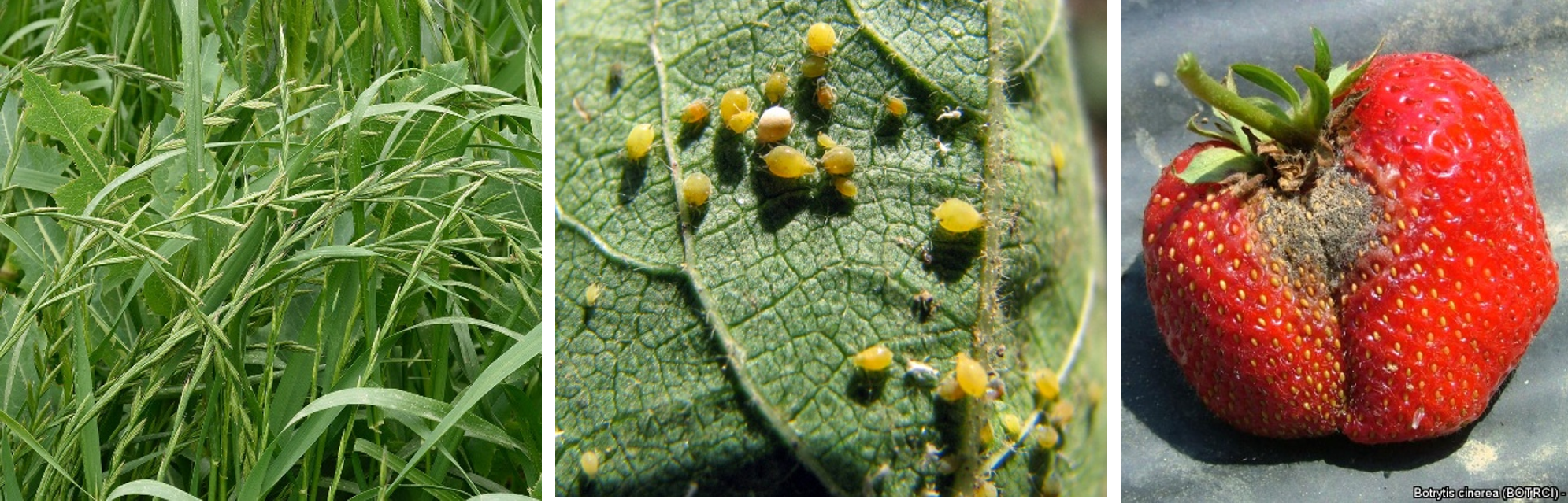
Since the last EWG meeting in Oeiras (Portugal), in October 2025, 249 new cases have been validated. These are mostly, herbicide cases (74%), followed by fungicide cases (16%), and insecticide and acaricide cases (10%). In 2025, the most reported herbicide resistant weed was Lolium multiflorum, accounting for more than 11% of the cases. These cases were mainly reported as resistant due to inhibition of acetyl CoA carboxylase resistance, and also due to inhibition of acetolactate synthase, inhibition of enolpyruvyl shikimate phosphate synthase and inhibition of very long-chain fatty acid synthesis resistance. This weed accounts for 27 resistance cases in the Database across 5 EPPO countries. Within insecticide resistance, 14 resistance cases (50% of the cases) reported in 2025 were for Aphis gossypii. The insect is resistant to 4 different MoA groups (1A, 1B, 3A and 4A) and has been reported by 3 EPPO countries. For fungicides, for the second consecutive year, Botrytis cinerea has been the most common pathogen for which resistance has been reported, accounting for almost one third of the fungicide resistance cases this year. The fungi is resistant to 6 different MoA groups (B1-1, B2-10, B3-22, C2-7, E2-12 and G3-17) and has been reported by 2 EPPO countries.
We thank all those experts in the EWG, those who have contributed to the Database so far, and look forward to receiving more information from contact points. We encourage those countries who have not yet nominated a contact point to do so.